ข่าว
บ้าน / ข่าว / ข่าวอุตสาหกรรม / ท่อทองแดงสามารถปลอมแปลงเพื่อทนต่อสภาพแวดล้อมที่รุนแรงได้หรือไม่? การแข่งขันเดิมพันสูงเพื่อวัสดุที่ไม่มีวันแตกหัก

Subtitle:As global industries push operational boundaries, standard copper tubes hit their limits. A specialized, high-value market for advanced alloy tubes capable of withstanding intense heat, pressure, and corrosion is rapidly emerging, reshaping the competitive landscape.
The image of a copper tube as a simple conduit for water and refrigerant is becoming obsolete. In the demanding worlds of next-generation energy , deep-sea exploration , and aerospace , these humble components are being pushed to their physical limits. A stark divide is emerging between the mass-produced standard copper tube, designed for comfort and convenience, and the highly engineered specialty copper tube, a critical component where failure is not an option. This divergence is fueling a race for material supremacy, driven by extreme conditions of heat , pressure , and corrosion that redefine what a copper tube must be.
Standard copper tubes , such as those made from phosphorus-deoxidized copper (Cu-DHP, CW024A), are the workhorses of construction and HVAC . Their specifications are perfectly adequate for room-temperature water and low-pressure refrigerants . However, when subjected to the harsh realities of extreme service, their inherent limitations are exposed.
"The same tube that reliably carries water in a high-rise for 50 years might fail in less than a year inside a marine vessel's engine room," notes a marine engineering consultant. "The operating environment is the ultimate test, and for many standard tubes, it's a test they cannot pass."
To meet these challenges, metallurgists and tube producers have turned to advanced alloying and sophisticated manufacturing processes . The goal is not merely to improve copper but to transform it, creating a new class of materials with tailored properties.
(Table: A Performance Duel: Standard vs. Specialty Copper Tubes)
|
| Standard Copper Tube (e.g., CW024A) | Specialty Alloy Tube (e.g., CuNi10Fe1Mn) | Performance Delta |
| Typical Tensile Strength | 250 - 300 MPa | 450 - 550 MPa | ~80% Increase |
| Max. Continuous Service Temperature | ~150°C | ~400°C | >150% Increase |
| Seawater Corrosion Rate | High (>0.05 mm/year) | Very Low (<0.005 mm/year) | >10x Improvement |
| Resistance to Stress Corrosion Cracking | Poor | Excellent | From Unusable to Highly Reliable |
| Primary Application Field | Building Plumbing, HVAC | Marine Engineering, Nuclear Power, Chemical Processing | From Civil Comfort to Industrial Core |
| Key Differentiator | Cost-Effectiveness, Versatility | Ultra-Reliability, High Performance |


(Caption: The divergence in creation: The straightforward production of standard tubes versus the complex, science-intensive process of creating specialty alloy tubes.)
The initial purchase price of a specialty copper alloy tube can be three to five times higher than that of a standard tube. However, in critical applications, this premium is justified by a compelling value proposition based on Total Cost of Ownership (TCO) .
"The conversation is shifting," explains a Vice President of Sales at a leading specialty metals producer. "Customers are moving beyond ' price per meter ' to calculating ' cost per safe operating hour .' They aren't just buying a tube; they are buying insurance against downtime and a guarantee of long-term performance ."
The future of the specialty tube market is one of increasing customization and geopolitical significance .
The copper tube industry is undergoing a fundamental split. On one side lies the vast market for standardized , cost-effective tubes that form the circulatory systems of our everyday infrastructure. On the other lies a high-stakes, technology-driven arena where tubes are custom-engineered to survive conditions once thought impossible. This niche, while smaller in volume, is critical for technological progress and national security . As humanity continues to push the boundaries of exploration and energy generation , the demand for these unbreakable tubes will only intensify, ensuring that the race to forge the most resilient copper alloy will remain at the forefront of materials science.
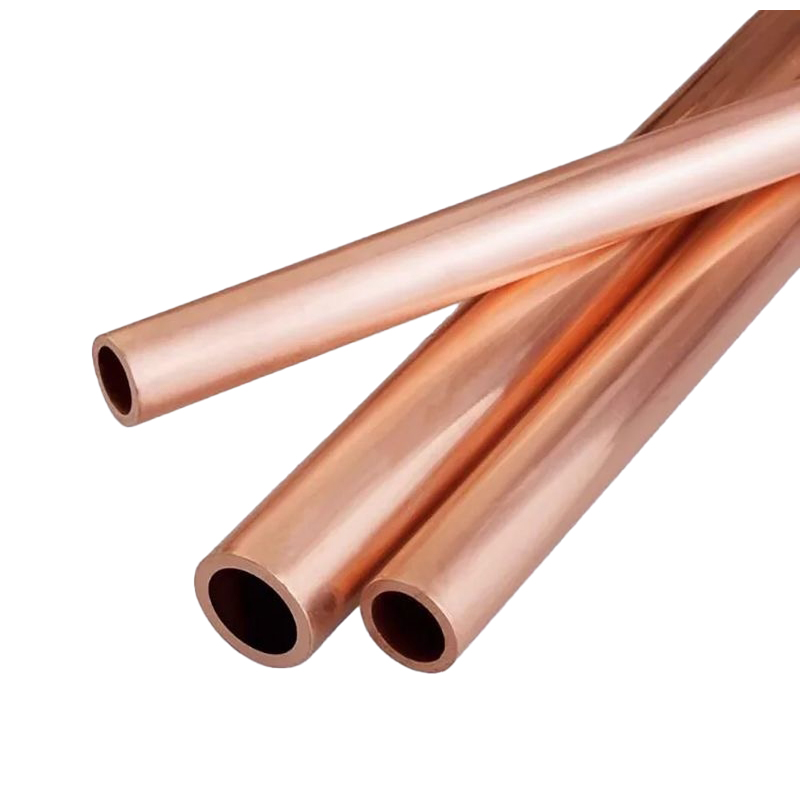
หลอดทองแดงที่มีผนังหนาคืออะไร? หลอดทองแดงที่มีผนังหนาหรือที่รู้จักกันในชื่อท่อทองแดงที่มีผนังหนาไร้รอยต่อเป็นท่อโล...
See Details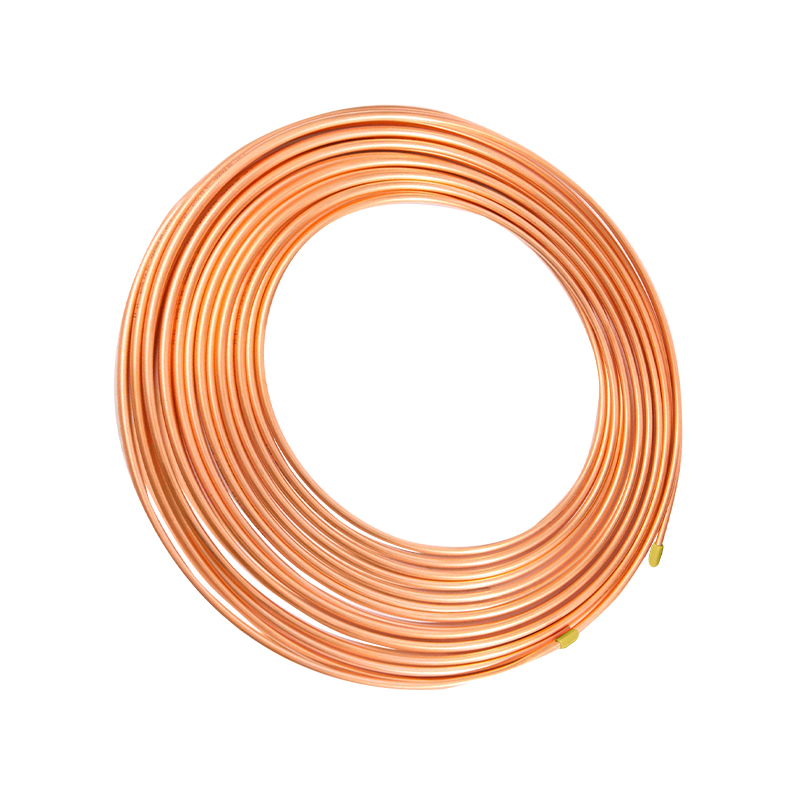
ภาพรวมและความสำคัญของหลอดเส้นเลือดฝอยทองแดง ในอุปกรณ์อุตสาหกรรมที่ทันสมัยและระบบควบคุมความแม่นยำขนาดเล็กและความแม่...
See Details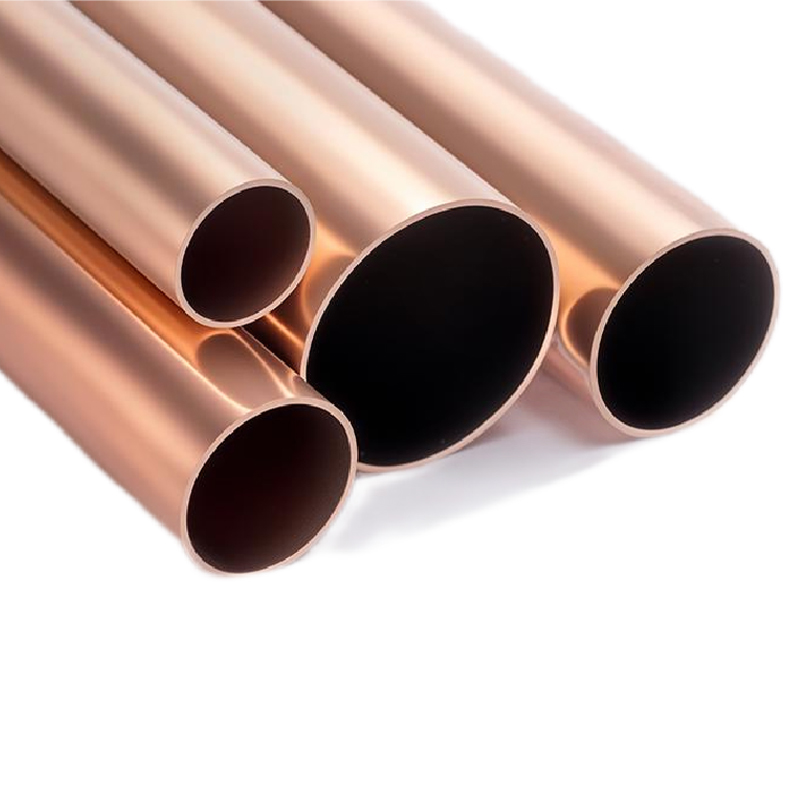
หลอดทองแดงคืออะไร? การวิเคราะห์องค์ประกอบของวัสดุและลักษณะพื้นฐาน คำจำกัดความของหลอดทองแดง หลอดทองแดงเป็นวัตถุท...
See Details
การทำความเข้าใจกับท่อสี่เหลี่ยมทองแดง: องค์ประกอบเกรดและแอปพลิเคชันทั่วไป ท่อสี่เหลี่ยมทองแดง เป็นการอัดขึ้น...
See Details
 Tangpu Industrial Zone, Shangyu District, Shaoxing City, Zhejiang Province, China
 +86-13567501345
© Zhejiang Jingliang Copper-Tube Products Co., Ltd สงวนลิขสิทธิ์

